Table Of Contents
Understanding the Installation Process
Siding installation involves several key stages that ensure a successful outcome. Initially, the existing siding must be removed, including any necessary repairs to the underlying structure. This step is crucial as it provides a clean slate for the new materials. Once the old siding is taken down, the contractor will inspect the walls for damage and make repairs as needed, such as addressing mold or rot. After preparing the surface, the installation of the new vinyl siding can commence.
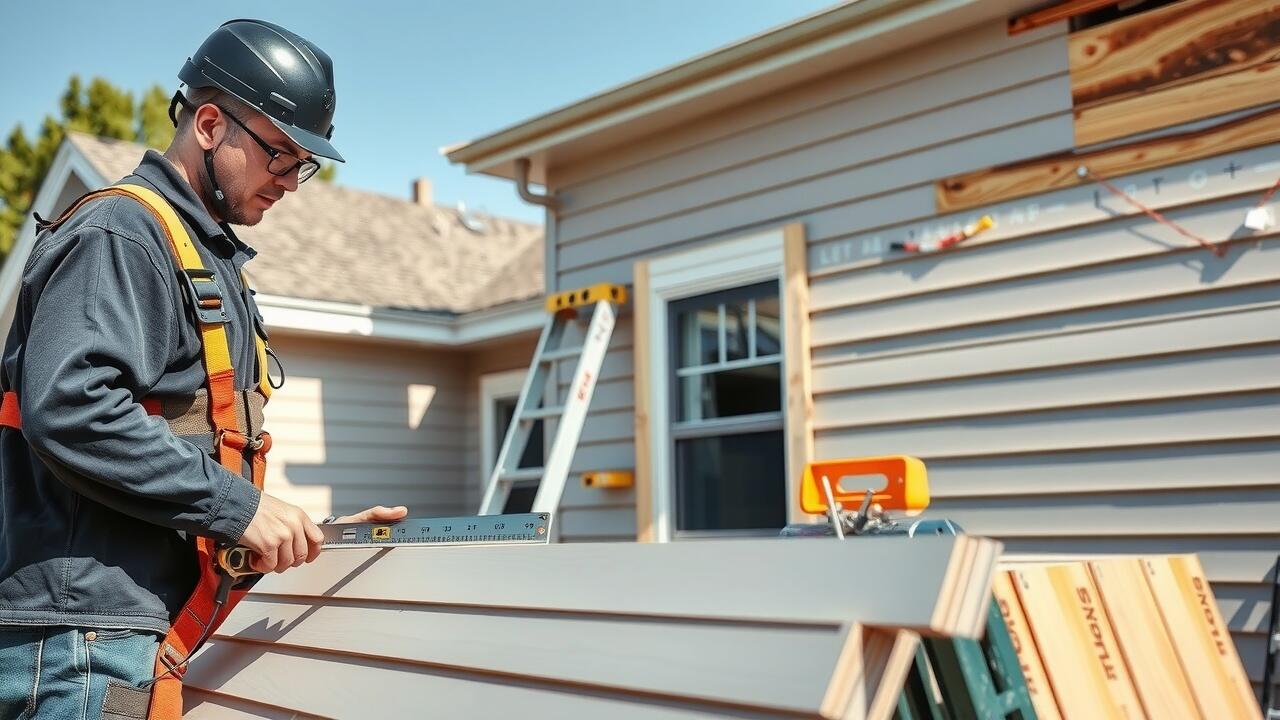
The next phase includes laying insulation, if applicable, and installing the starter strip, which serves as the foundation for the vinyl panels. Each piece of siding is then measured and cut to fit, allowing for proper alignment and minimizing waste. Fasteners are used to secure the panels while ensuring that they can expand and contract with temperature fluctuations. Proper sealing around windows and doors is also essential to prevent moisture intrusion and air leaks, contributing to the overall durability and energy efficiency of the home.
Steps Involved in Vinyl Siding Installation
Siding installation begins with a thorough assessment of the area where the new vinyl siding will be applied. This step includes measuring the walls, inspecting for any underlying damage, and determining whether additional materials, such as house wrap or insulation, may be necessary. Proper preparation ensures that the installation process goes smoothly and that the siding adheres correctly.
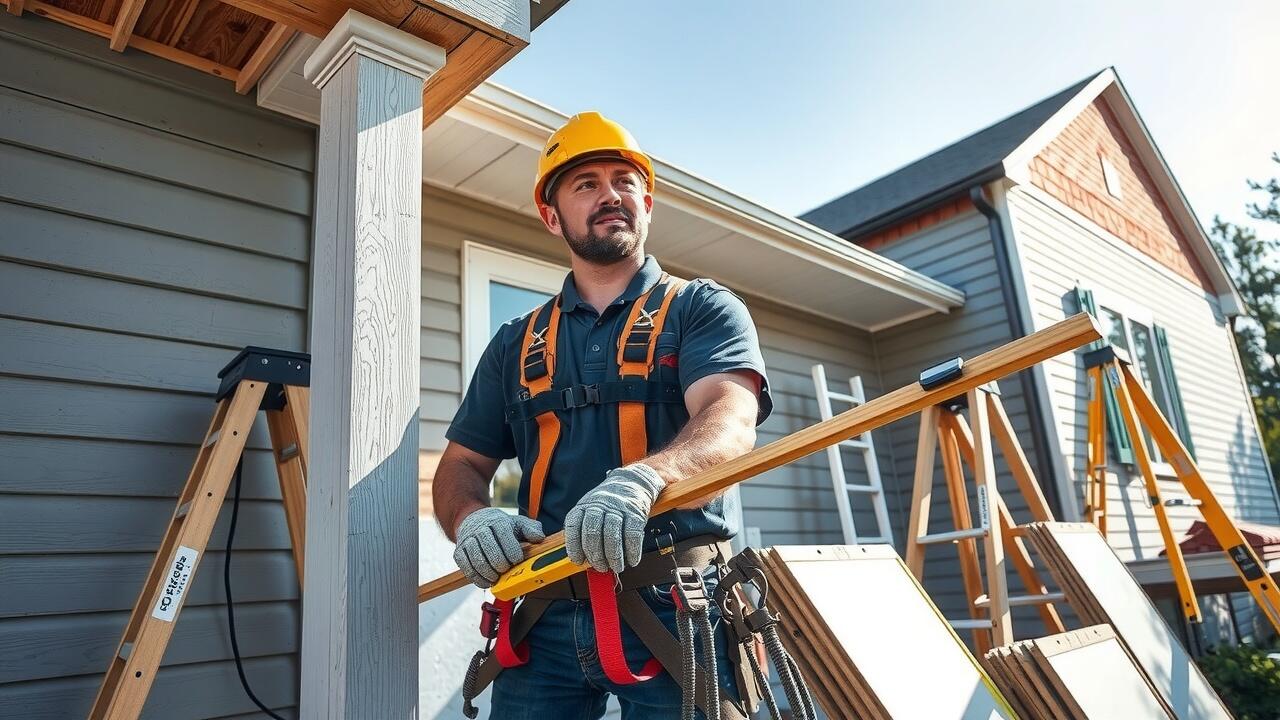
Following the initial assessment, the contractor will typically proceed with the installation of any required insulation and moisture barriers. Once prepared, the actual siding installation can begin. Panels are carefully cut to size and secured to the structure using a systematic approach to align seams and maintain an even appearance. Each section must be fitted securely to minimize potential gaps that could lead to water infiltration or drafts.
Common Upgrades and Features
Homeowners often explore various upgrades and features when considering siding installation. Options such as decorative accents, trim packages, and different textures allow for personalization and can enhance the overall aesthetic appeal. Certain upgrades not only contribute to appearance but also improve functionality. For instance, choosing siding with built-in insulation can increase energy efficiency and reduce heating and cooling costs.
Another popular feature among homeowners is the selection of colors and finishes that match their desired style. Vinyl siding offers a wide variety of hues and textures, making it easier to find the perfect match for any home design. Investing in features such as moisture barriers or high-quality fasteners can further improve durability and long-term performance. Each choice during the siding installation process can result in a significant impact on the home's exterior and overall value.
Insulated Vinyl Siding Benefits
Insulated vinyl siding offers numerous advantages that can enhance the overall performance of a home. One of the primary benefits is improved energy efficiency. The insulation layer helps to reduce heat loss during colder months, keeping interiors warmer and reducing heating costs. In warmer weather, it reflects heat away, making homes cooler and less reliant on air conditioning. This increased energy efficiency not only affects utility bills but also contributes to a more comfortable living environment year-round.
Another significant benefit is noise reduction. The added insulation acts as a buffer against outside noise, making homes quieter and more peaceful. This is particularly valuable in urban areas where street noise can interfere with daily life. Furthermore, insulated vinyl siding is often more durable than traditional siding options, offering enhanced resistance to impacts and extreme weather conditions. Investing in siding installation with insulation can lead to long-term savings and increased property value.
Cost-Saving Tips for Vinyl Siding Projects
When planning a vinyl siding project, timing can significantly influence costs. Choosing the off-season for siding installation can result in lower labor charges, as contractors often offer discounts to fill their schedules during slower periods. Additionally, scheduling your project for weekdays rather than weekends may yield better prices, as there is typically less demand for services during the workweek.
Another effective cost-saving strategy is to thoroughly prepare your home before the installation begins. This includes removing any obstacles around the house, such as landscaping or outdoor furniture, which can save time for the contractor. By ensuring that the area is ready and accessible, you can help streamline the siding installation process and potentially lower overall project costs.
Timing Your Installation
Timing your installation is crucial for ensuring a successful siding project. Seasonal factors can significantly influence both the cost and quality of the work. For instance, spring and early summer often see higher demand for contractors, leading to increased prices. Conversely, late fall or winter may offer lower rates, but the weather can affect installation quality and timelines.
Planning your installation during a less busy season can incorporate savings and better scheduling flexibility. It's important to consult with contractors about their availability and any potential discounts during off-peak times. Ideal weather conditions also play a vital role in siding installation, as extreme temperatures or precipitation might delay the process and impact the final results.
FAQS
How much does a contractor typically charge to install vinyl siding?
The cost for installing vinyl siding varies widely depending on factors such as the size of the home, the quality of materials, and labor costs, but homeowners can expect to pay between $3 to $8 per square foot on average.
Are there additional costs associated with installing vinyl siding?
Yes, additional costs may include removing old siding, repairing underlying structures, and any upgrades or enhancements such as insulated vinyl siding or special trims, which can increase the overall price.
How long does it take to install vinyl siding?
The timeline for vinyl siding installation can vary based on the size of the home and complexity of the job, but most installations typically take between 3 to 7 days to complete.
What factors influence the cost of vinyl siding installation?
Factors that influence the cost include the type and quality of vinyl siding chosen, labor costs in your area, the size of your home, and any additional features or upgrades you want to incorporate.
Can I save money on vinyl siding installation?
Yes, you can save money by timing your installation during off-peak seasons, obtaining multiple quotes from contractors, and considering DIY options for smaller projects or repairs.