Table Of Contents
Cost Comparison of Different Siding Materials
Siding replacement options vary significantly in cost depending on the material chosen. Vinyl siding tends to be the most affordable, with prices typically ranging from $2 to $7 per square foot. This budget-friendly option is popular due to its low maintenance and resistance to moisture. On the higher end, materials such as fiber cement or wood can cost anywhere from $7 to $15 per square foot. While these options may carry a heftier price tag upfront, they often provide enhanced durability and aesthetic appeal.
When considering siding replacement, it is crucial to weigh not only the initial investment but also the long-term value. Metal siding can be particularly appealing due to its longevity and fire resistance, though it typically falls within a mid-price range of $4 to $10 per square foot. Homeowners should also consider insulation properties, energy efficiency, and local climate conditions that may affect longevity and maintenance needs. Each material presents unique advantages, making it essential to evaluate both the costs and benefits in relation to personal preferences and long-term investment goals.
Long-term Benefits and Maintenance
Siding replacement offers numerous long-term benefits that extend beyond immediate aesthetic improvements. Investing in high-quality siding materials can enhance your home’s insulation, leading to reduced energy costs over time. Additionally, certain materials resist decay, pests, and harsh weather conditions, which can minimize repair costs and enhance the lifespan of your home's exterior.
Regular maintenance of siding is crucial for preserving its appearance and functionality. Keeping it clean prevents the buildup of dirt and mold, which can lead to more significant issues if left unaddressed. Homeowners should also inspect their siding periodically for signs of damage or wear, allowing for timely repairs. This proactive approach not only ensures the longevity of the siding but also contributes to maintaining the overall value of the home.
DIY vs. Hiring a Professional
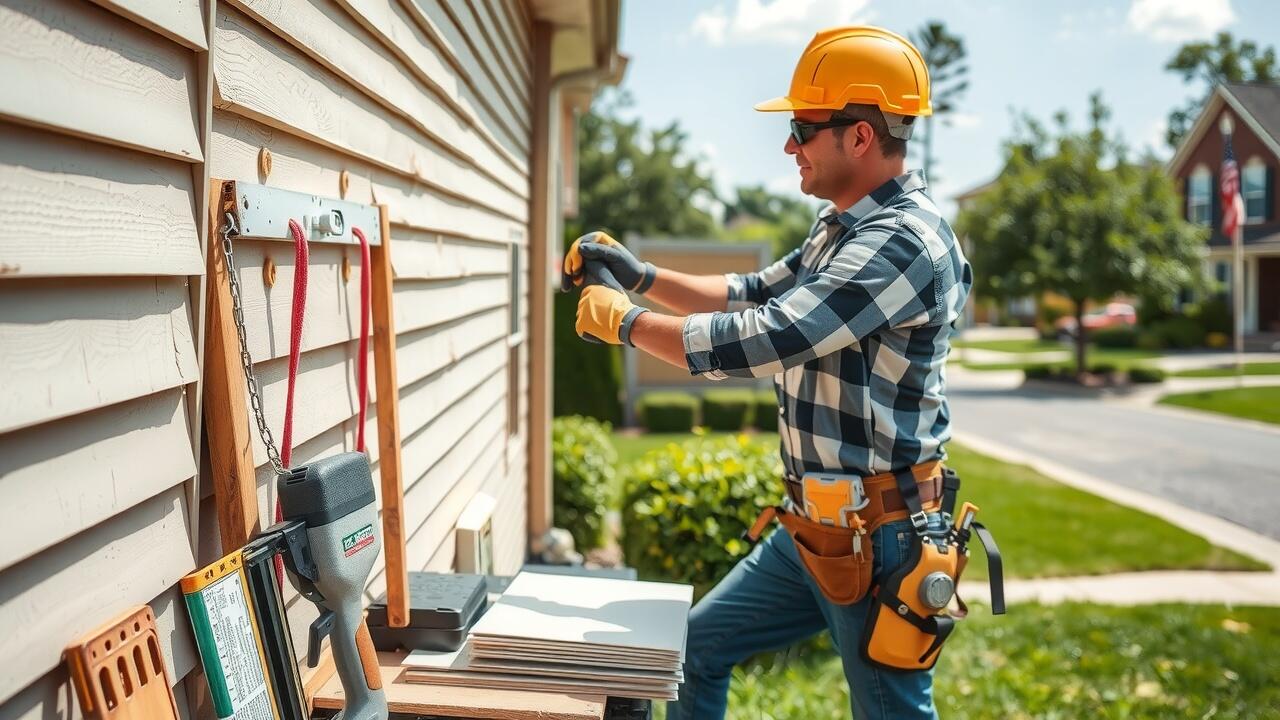
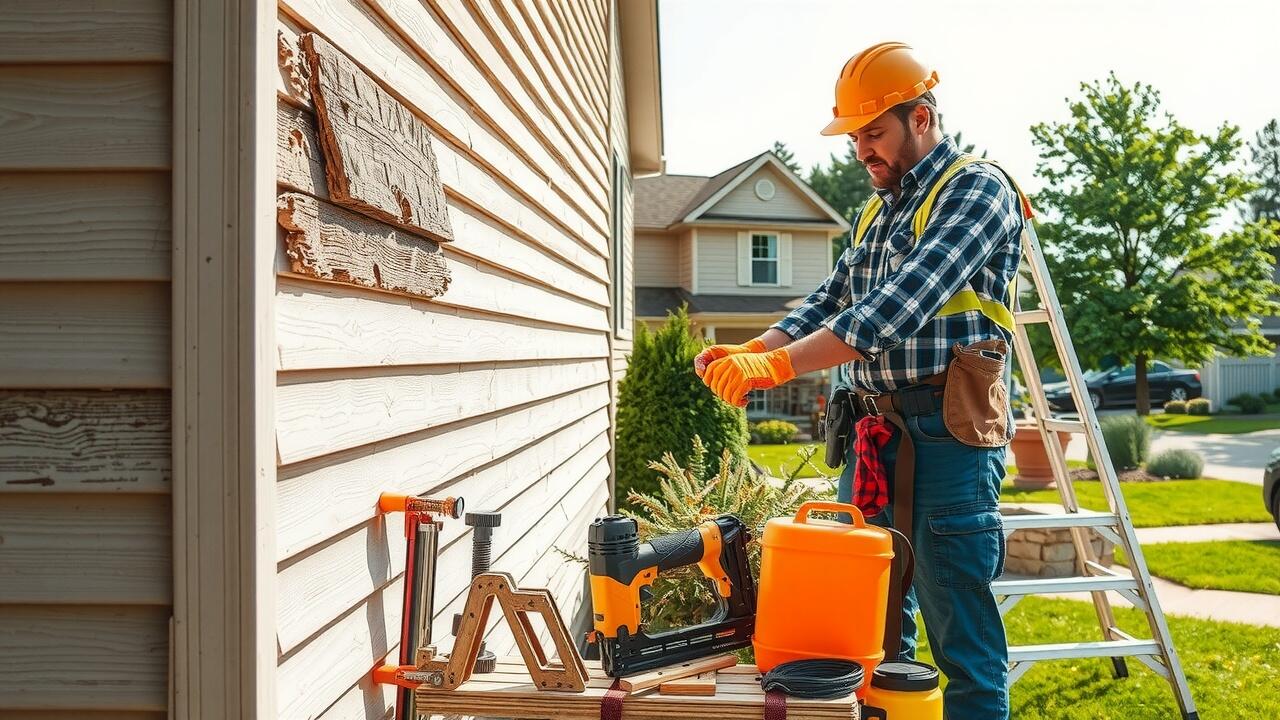
Choosing between a DIY approach and hiring a professional for siding replacement often depends on one's skill level and comfort with home improvement projects. Homeowners with experience in carpentry or construction may find tackling the job themselves rewarding. They can save significantly on labor costs, and the project can offer a sense of accomplishment. However, even for those with some experience, managing the complexities of siding replacement may prove challenging. There are multiple factors to consider, including the type of material and proper installation techniques.
On the other hand, hiring a professional for siding replacement ensures expert workmanship and typically comes with a warranty. Professionals are familiar with local building codes and have access to tools that may be expensive for a homeowner to purchase. This option can relieve the homeowner of the guesswork involved in the installation process. The potential downside is a higher initial investment, which may not be feasible for everyone. Weighing these factors can help homeowners decide the best route for their siding replacement project.
Pros and Cons of Each Approach
When considering siding replacement, DIY projects often attract homeowners looking to save on labor costs. Taking on this task can provide a sense of accomplishment and allow for complete control over materials and design choices. However, this approach can be time-consuming and may lead to mistakes if the homeowner lacks experience. Proper tools, safety precautions, and knowledge of local building codes are essential for a successful DIY siding replacement.
Hiring a professional for siding replacement offers the advantage of expertise and efficiency. Contractors bring skills and tools that can ensure the job is done correctly and timely. While this option usually involves a higher upfront cost, the quality of work and potential for warranties on craftsmanship can ultimately provide peace of mind. Conversely, relying on professionals may limit personal input in the design process and could result in additional fees if unexpected issues arise during installation.
Seasonal Trends in Siding Projects
Siding replacement projects often peak during late spring and early fall. Homeowners commonly aim to avoid summer heat and winter cold, which can interfere with the installation process. Additionally, many contractors have more availability in these shoulder seasons, leading to potentially better pricing and scheduling flexibility. Taking advantage of milder weather conditions helps ensure a smoother installation.
Market trends also affect siding projects throughout the year. The demand for new siding generally increases after the winter months, when homeowners assess weather-related damage. Seasonal promotions from contractors can make it an appealing time to consider a siding replacement. Awareness of local climate conditions and contractor schedules can help homeowners choose the optimal time for their renovation projects.
Best Times to Undertake Siding Renovations
Timing is a critical factor when planning a siding replacement project. Spring and early fall are often considered the best seasons for such upgrades. Additionally, moderate temperatures and lower humidity can create ideal conditions for adhesion and curing of materials. Homeowners may also benefit from scheduling projects during these times to avoid winter weather challenges, which can delay work and impact the quality of the installation.
Planning siding replacement for late spring or early fall can also align with contractors' availability. These seasons typically experience less demand compared to peak summer months. Homeowners may find more competitive prices and greater flexibility in scheduling if they choose to undertake renovations during these times. Taking advantage of seasonal trends can lead to a more efficient and cost-effective siding replacement experience.
FAQS
What is the average cost to redo siding on a 1500 sq ft house?
The average cost to redo siding on a 1500 sq ft house can range from $7,500 to $15,000, depending on the type of siding material chosen and labor costs in your area.
What factors influence the cost of siding installation?
Factors that can influence the cost of siding installation include the type of siding material, labor costs, the condition of the existing siding, and any necessary repairs or additional features such as insulation.
Is it more cost-effective to do the siding project myself or hire a professional?
While doing the project yourself may save on labor costs, hiring a professional can ensure proper installation and may prevent costly mistakes in the long run. It's important to weigh the pros and cons based on your skill level and the complexity of the project.
What are the long-term benefits of investing in high-quality siding materials?
High-quality siding materials often come with better durability, lower maintenance needs, and improved energy efficiency, which can lead to long-term savings on repairs and utility bills.
Are there seasonal trends I should consider when planning my siding project?
Yes, the best times to undertake siding renovations are typically in the spring and early fall when weather conditions are more moderate, ensuring better working conditions and potentially lower labor costs.